



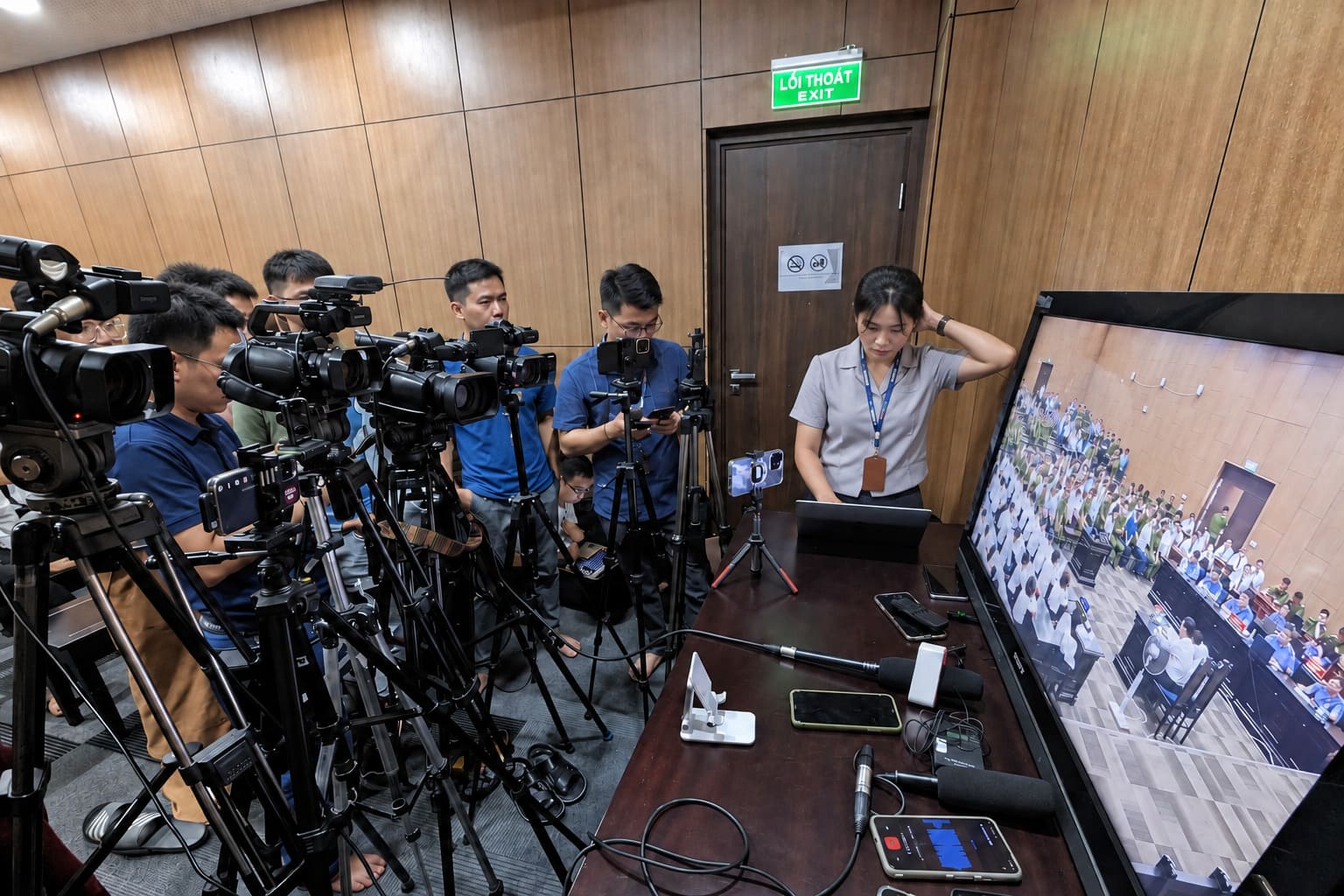
New Regulations on Audio and Video Recording of Court Hearing and Session Proceedings, Effective from 1 August 2026
Alongside the rapid development of digital technology, electronic devices with audio- and video-recording functions – such as smartphones, tablets, laptops, and smartwatches – are increasingly becoming common tools in social life. In judicial activity, the use of such devices at court hearings¹ and sessions² gives rise to the need to strike a balance between the right of individuals and organizations to access information and the requirement to maintain the solemnity of the hearing or session, to protect the lawful rights and interests of litigants, and, at the same time, to safeguard the principle of judicial independence, impartiality, and objectivity.
With a view to refining the mechanism for managing the use of electronic devices and the conduct of audio and video recording at hearings and sessions, the Supreme People’s Court issued Circular No. 12/2026/TT-TANDTC³ dated 30 May 2026, providing regulations on the internal rules of court hearings and sessions and on the audio and video recording of hearing and session proceedings. The Circular takes effect from 1 August 2026, replacing Circular No. 02/2017/TT-TANDTC, and additionally provides detailed rules on the principles, scope, conditions, and responsibilities of the persons concerned when conducting audio or video recording at a hearing or session.
1. Completing the legal framework on the use of electronic devices at hearings and sessions
Article 1 of Circular No. 12/2026/TT-TANDTC sets out the principles for the conduct of hearings and sessions, the internal rules governing hearings and sessions, and the rules on the audio and video recording of hearing and session proceedings.
As to its scope of application, Article 2 of Circular No. 12/2026/TT-TANDTC defines a relatively broad scope, encompassing the Trial Panel,⁴ the presiding judge, other persons conducting the proceedings, litigants, persons attending the hearing or session, and other relevant agencies, organizations, and individuals involved in the Court’s process of resolving and adjudicating the case or matter.
A notable point is that the Circular not only provides for the internal rules of hearings and sessions, but also establishes a specific control mechanism governing the carrying and use of electronic devices and the conduct of audio and video recording of hearing and session proceedings.
2. Controlling the carrying and use of electronic devices at hearings and sessions
One of the notable points provided for under Article 4 of Circular No. 12/2026/TT-TANDTC is the control of the use of electronic devices at hearings and sessions. Accordingly, participants in, and persons attending, a hearing or session may not bring into the hearing or session any device capable of transmitting, collecting, processing, storing, or exchanging digital information or data – such as a telephone, tablet, laptop, smartwatch, or other device with audio- or video-recording functions, or the capacity to transmit or receive electronic signals – except where permitted by the presiding judge or the person presiding over the session.
For litigants, the use of an electronic device to look up case files, documents, or evidence, to participate in an online hearing, or to make an audio or video recording of hearing or session proceedings must be carried out under the direction of the presiding judge or the person presiding over the session.
This provision reflects the presiding role of the presiding judge or the person presiding over the session in maintaining order and ensuring that litigation activities are conducted seriously and in accordance with the applicable regulations; at the same time, it requires litigants using electronic devices to do so consistently with the purpose for which permission has been granted, without affecting the conduct of the hearing or the resolution of the case or matter, or the lawful rights and interests of other persons concerned.
3. Specific rules on the scope and conditions for audio and video recording of hearing proceedings
Circular No. 12/2026/TT-TANDTC adds specific rules on the scope and conditions for conducting audio and video recording of hearing and session proceedings.
Pursuant to Clause 4, Article 4 of Circular No. 12/2026/TT-TANDTC, audio recording may only be carried out during the course of the hearing or session, while video recording may only be carried out during the opening of the hearing or session and at the time of pronouncement of the judgment or announcement of the decision.
Where audio or video recording of the Trial Panel or a judge is to be made at the above times, the person making the recording must have the consent of the presiding judge or the person presiding over the session. Where audio or video recording is to be made of another person conducting the proceedings, or of a person participating in the hearing or session, the consent of both the person being recorded and the presiding judge or the person presiding over the session is required.
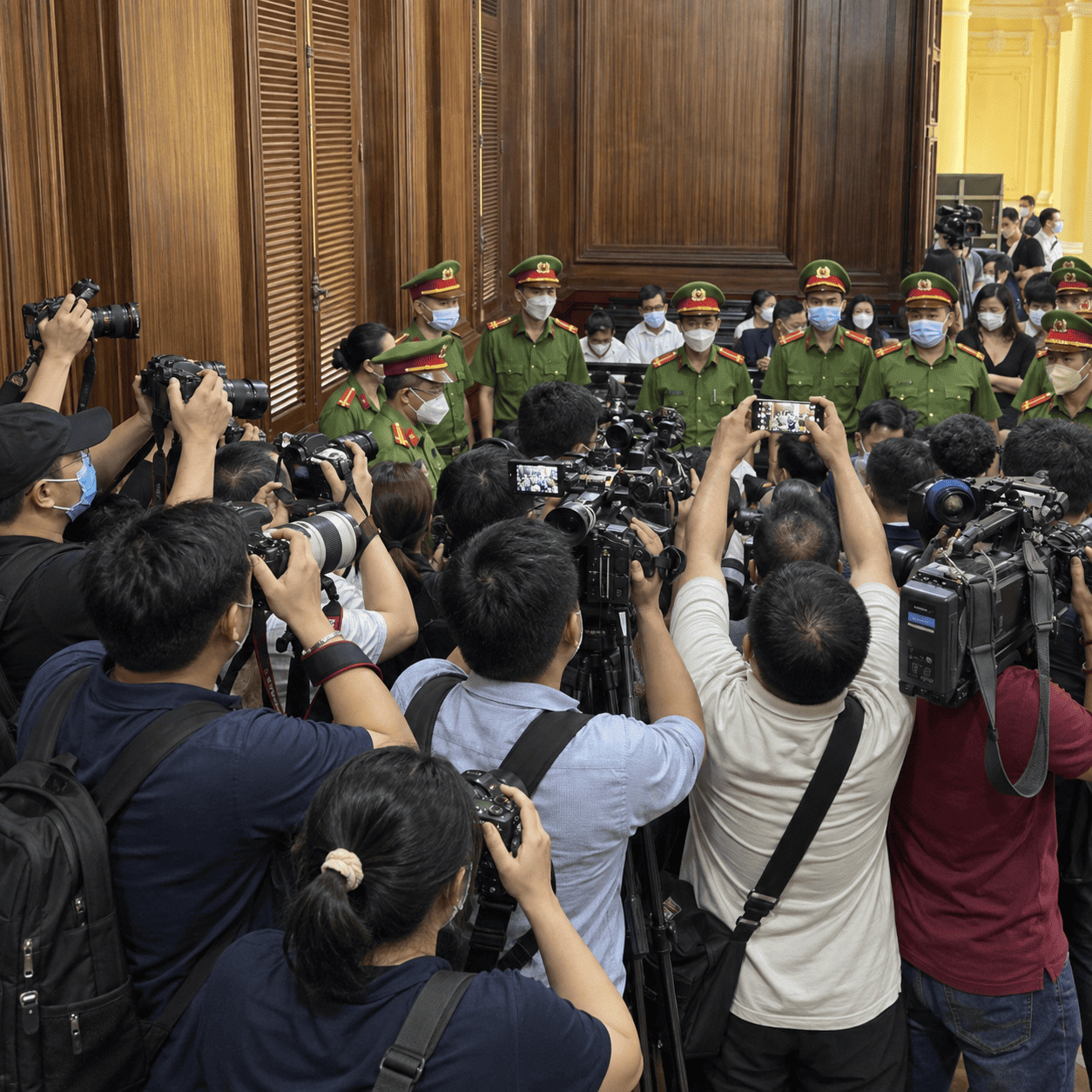
This provision is intended to protect the lawful rights and interests of the persons involved in the proceedings, while also helping to limit the misuse of audio or video recordings, or their use in a manner that affects the process of resolving the case or matter.
4. Controlling live broadcasting and the use of audio and video recordings from hearings and sessions
In addition to the rules on the scope and conditions for audio and video recording at hearings and sessions, Circular No. 12/2026/TT-TANDTC also sets limits on the provision and use of such information, so as to ensure that the conduct of adjudication and the resolution of cases and matters are carried out objectively and in accordance with law.
Accordingly, participants in, and persons attending, a hearing or session may not carry out live or online broadcasting. In addition, such persons may not disseminate false information; may not disseminate information that affects the independence, impartiality, and objectivity of the adjudication or resolution of the case or matter; may not infringe the human rights⁵ of the accused, the victim, the litigants, or other persons involved in the proceedings; and may not violate the confidentiality requirements prescribed by law.
At the same time, the use of the results of any audio or video recording of hearing or session proceedings must ensure accuracy and truthfulness, and must not distort the content of the information recorded; such results may not be used to infringe the lawful rights and interests of any agency, organization, or individual, or to violate other relevant legal provisions.
The new provisions of Circular No. 12/2026/TT-TANDTC contribute to completing the mechanism for managing audio and video recording activity at hearings and sessions, in the context of digital transformation and increasing demands for transparency in judicial activity. The correct application of these provisions will help ensure a proper balance between the right of individuals and organizations to access information and the requirement to maintain solemnity, independence, and objectivity in adjudicative activity.
Should you require in-depth assistance, please kindly contact:
Consulting – Litigation Lawyer: Pham Anh Hung
- – Email: info@bizlawyer.vn
- – Tel: 086.885.1900
Respectfully./.
